
Sometimes you look at the standings and think: “Alright, slumps happen.” And sometimes you look at a team — and it’s not a slump. It’s a move-out: boxes, bubble wrap, and a sign that says “closed for reconstruction.”
I put together the first weakness ranking of the season — not “the worst,” but the most down-bad:
- first we look at results here and now,
- then — the outlook through the rest of the regular season,
- and only after that — assets and life after the season.
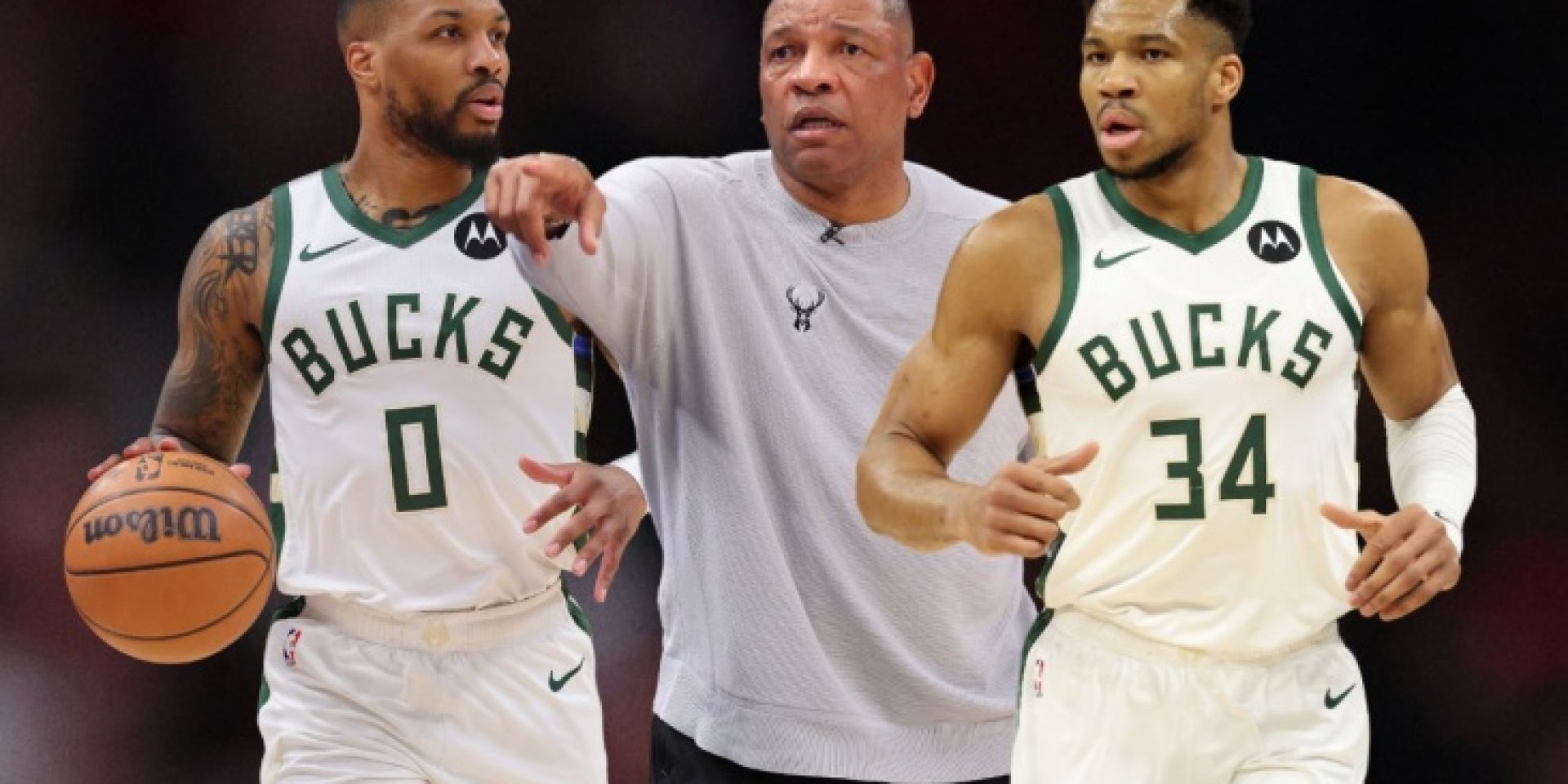
Left outside the list — “Milwaukee.” Yes, it’s tense there, yes, five wins in ten games and close to the play-in. But the bridges with Giannis haven’t been burned yet, which means this isn’t a “ruin of a team,” it’s more like a “team held together by creaks.” Let it be an honorable 11th. For now.
Let’s run through the ten.
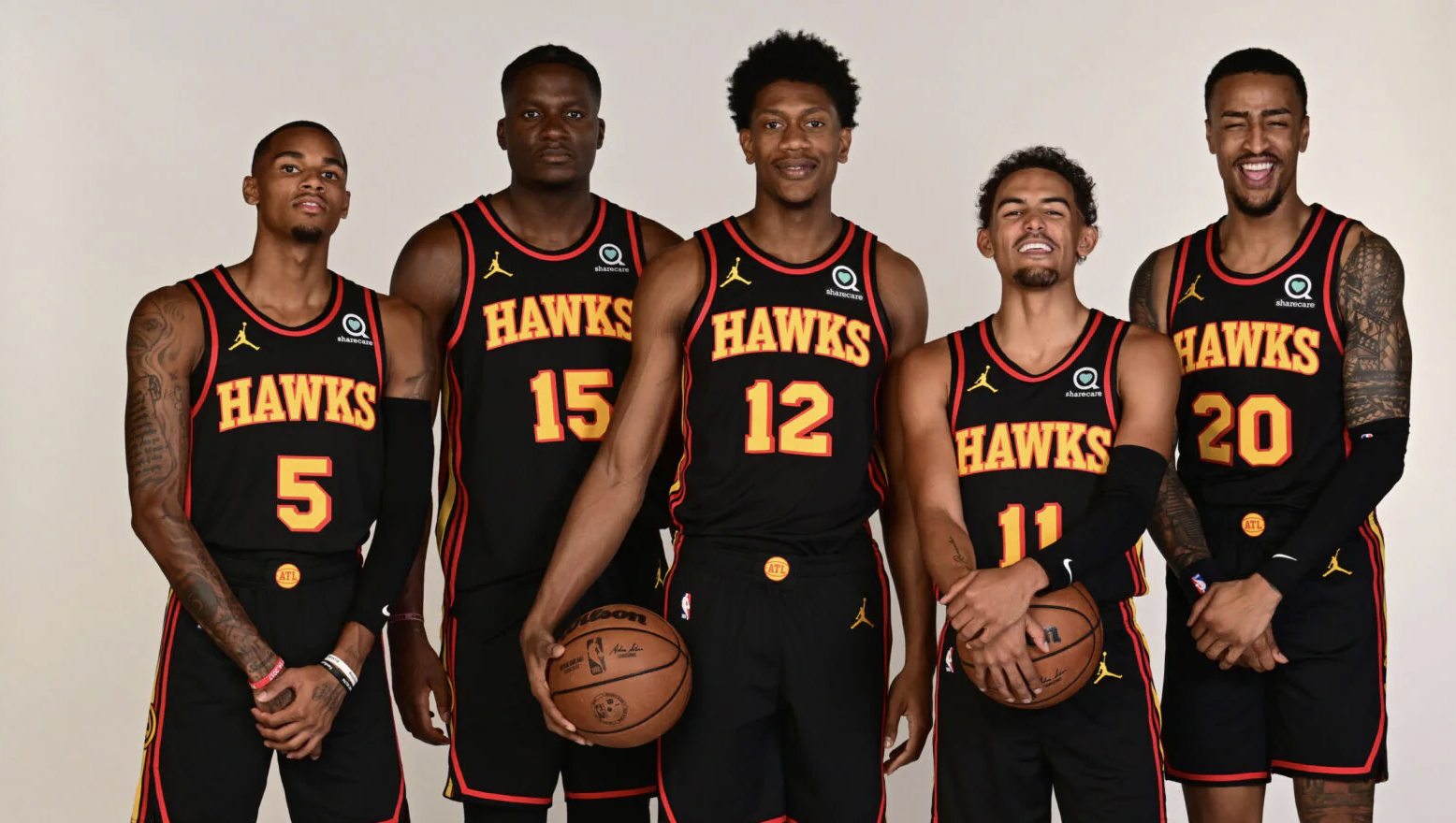
🔟 “Atlanta” (20–25) — the play-in is there, but it doesn’t feel like it
Technically they’re still in “we’re alive” mode, but in reality — four straight losses and a nervous atmosphere after the Trae Young trade.
Why they’re here:
- a schedule from hell: 10 games in 18 days, seven on the road — no time to heal or build chemistry;
- down three starters (Risache, Porzingis, Dyson Daniels) — that’s not “lost a screw,” that’s “the gearbox fell out”;
- integrating C.J. McCollum looks like trying to mix soup and ice cream: the ball is in his hands, 25–30 minutes, but the makes aren’t there (43% from the field and 18.5% from deep), and the team’s style gets warped.
The big fork in the road:
- push the season into the play-in and “try to climb higher,”
- or don’t make sudden moves and rebuild properly in the summer.
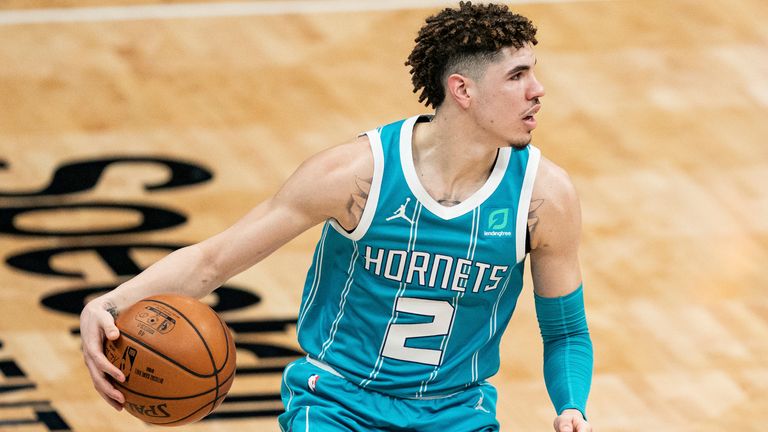
9️⃣ “Charlotte” (16–27) — the standings are ugly, but the vibe is not entirely hopeless
Paradox: the team is near the bottom, but for the first time in a long while it looks like a project — not an endless tryout.
Why they’re here:
- the defense is still collapsing: they give up too much in the paint, and opponents comfortably rain threes (37.4% — basically a gift);
- but the offense is genuinely lively (ninth in the league), and they have guys who score consistently.
Why they’re not higher (meaning not “worse”):
- 5–4 in their last nine;
- the play-in is literally just a few wins away;
- by net rating they’re actually around the middle — the start of the season was a disaster, and the numbers still remember it.
Plus on the horizon:
- a clean cap sheet,
- expiring contracts,
- and a nice stash of picks (including three first-rounders in 2027).
If they don’t mess up “one big move,” they can accelerate fast.
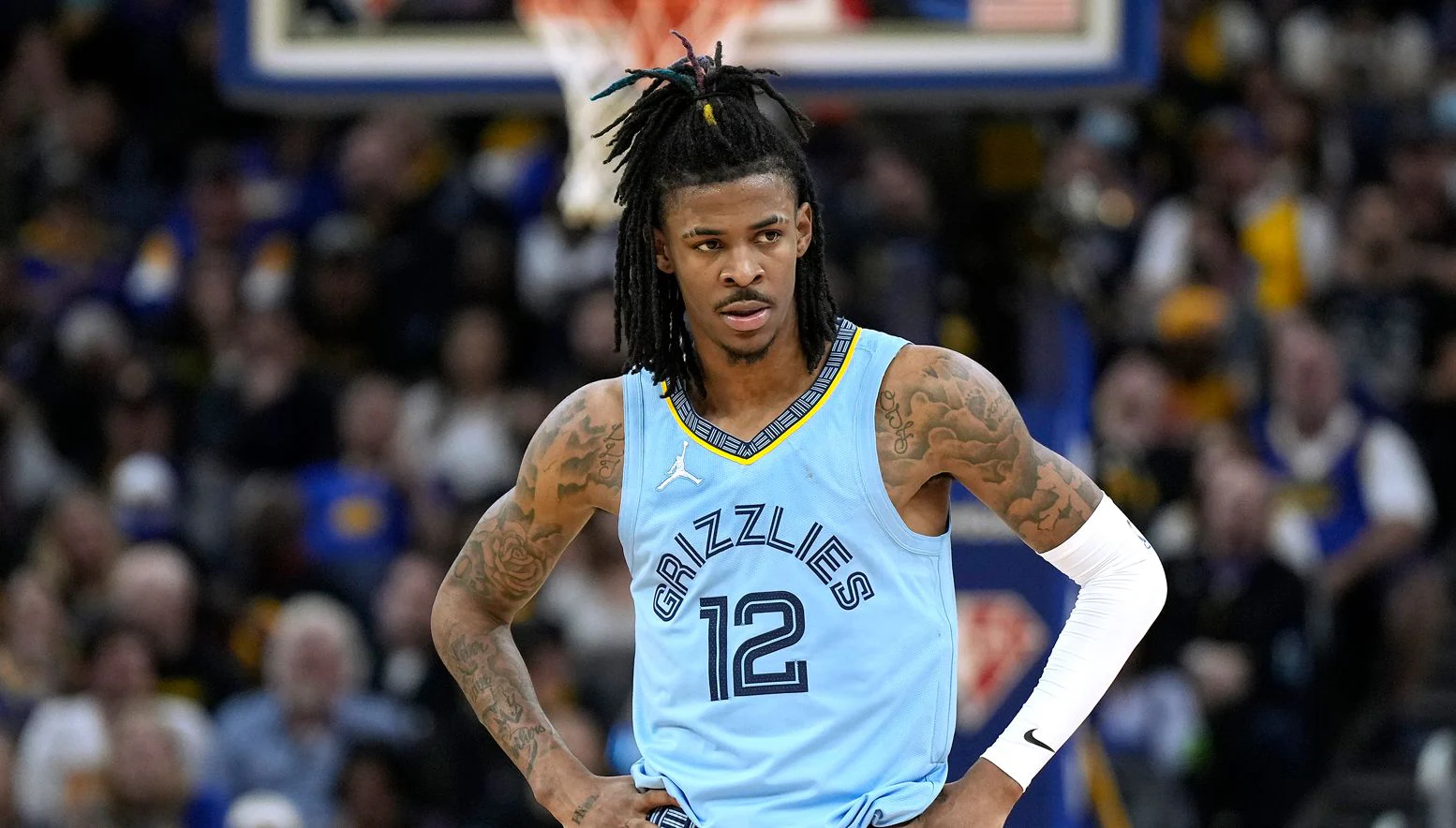
8️⃣ “Memphis” (18–23) — diagnosis: a team stuck between two eras
Seven losses in ten — and it feels like the coach could be a genius, but there’s nobody to play and nothing coherent to play.
What finishes them off:
- a 25th-ranked offense — that’s a death sentence in the modern NBA;
- injuries and a lack of depth (Jerome, Pippen Jr. haven’t debuted; Edey and Clarke are out for a month+);
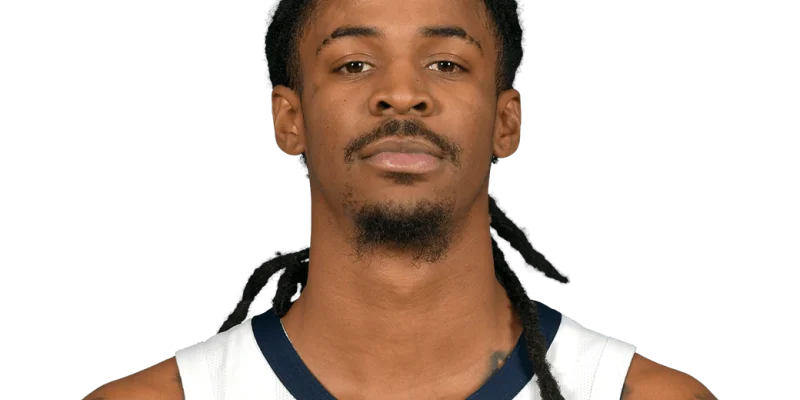
- the main storyline is Morant. He’s a minus on the floor, there’s toxic noise around him, but nobody wants to sell “for pennies,” either.
The essence of the problem is simple:
they’re no longer Morant’s team,
but they’re not Iisalo’s team yet.
Until they cut this knot, they’ll hover between “too good to tank” and “too raw for a real run.”
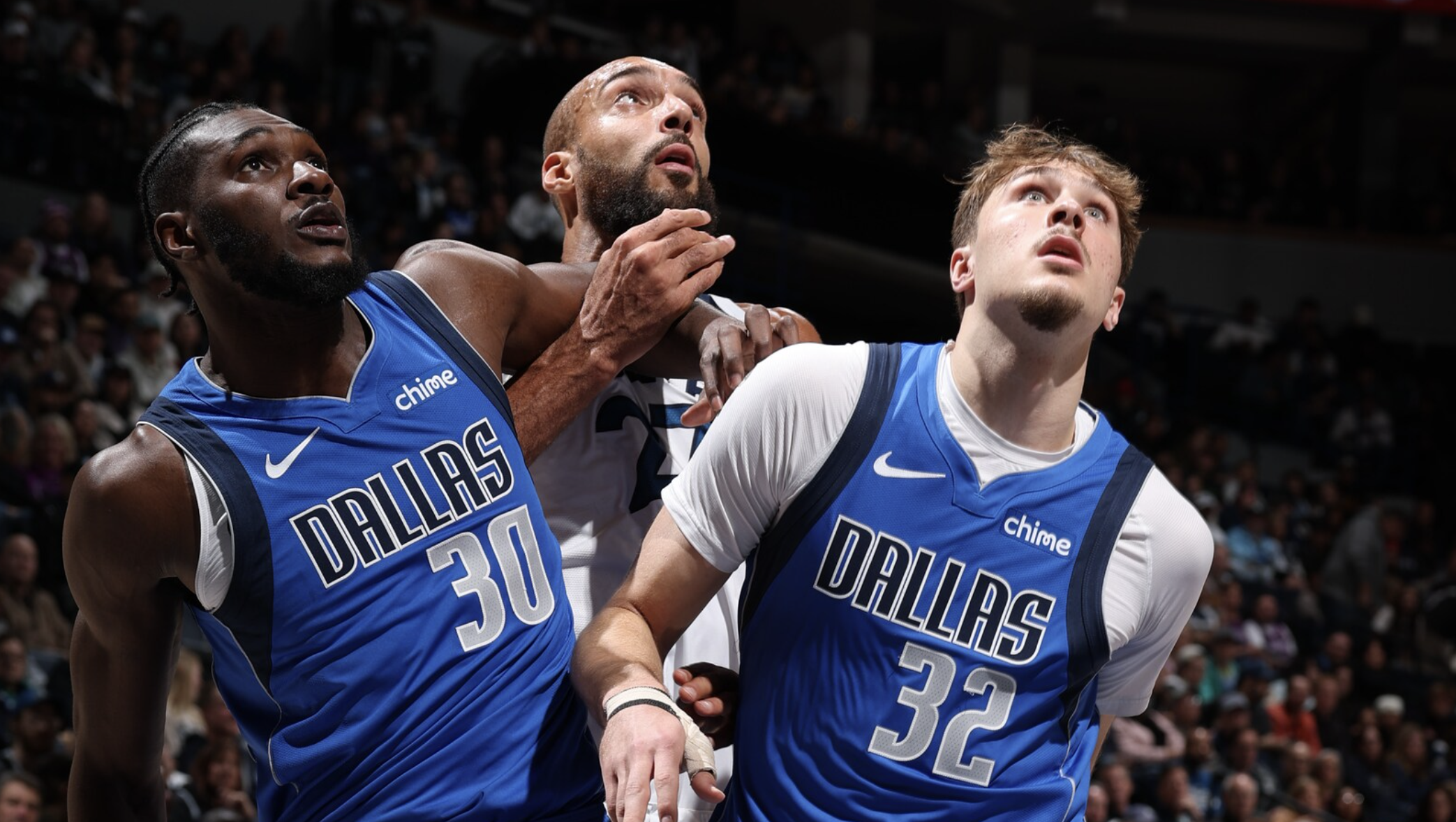
7️⃣ “Dallas” (18–26) — assets shipped out, health gone, not much light at the end of the tunnel
Why so low with a not-terrible record? Because the outlook looks heavier than the standings.
Reasons:
- Irving isn’t rushing back,
- the infirmary is full,
- Anthony Davis got hurt again and is out until the end of February (no surgery, but for a long time),
- the offense is 27th in the league. Not just “bad,” but “doesn’t work.”
And here’s the key:
this is almost the last moment when it benefits Dallas to drop deeper and pick earlier. After that, the picks and swaps are already in other people’s hands — and there’s less room to maneuver.
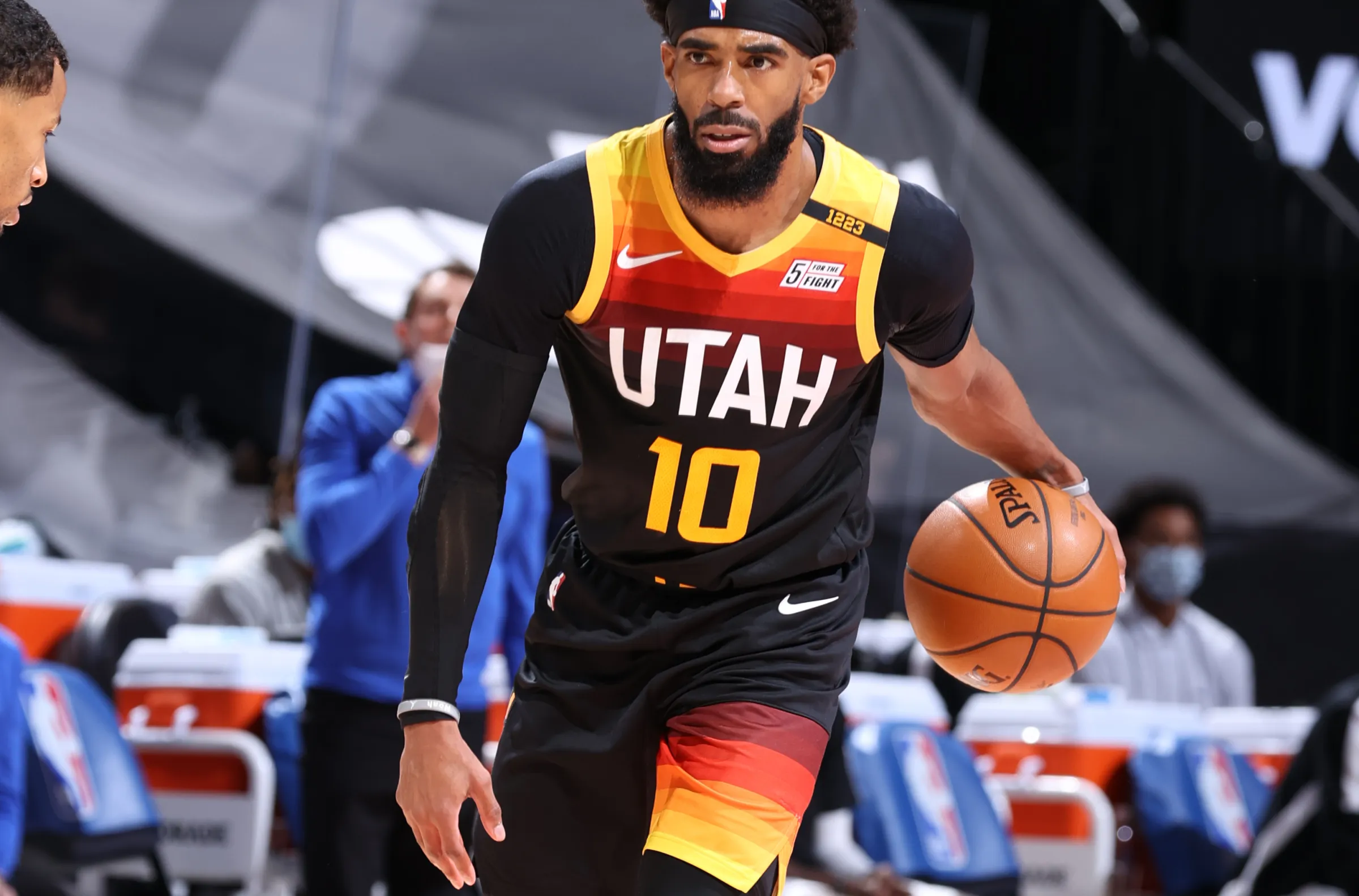
6️⃣ “Utah” (14–28) — a team that accidentally became too decent… and got scared
There was a moment when everything went “off script”: in December they went 6–7, and the play-in started to shimmer. Then the club remembered: the 2026 pick is top-8 protected — you can’t be climbing into the play-in.
What’s good:
- Keyonte George genuinely took a leap (from 17+5.5 to 24+7+4, with reasonable efficiency),
- the locker room got calmer,
- veterans are clearly kept in frame — no “I’m the boss here.”
What’s bad:
- now come experiments, weird rotations, and roller-coaster results (all the way to a -55 at home versus “Charlotte”).
Conclusion: this is a team that has started to come alive — and is forced to press pause on its own progress, because draft math demands it.
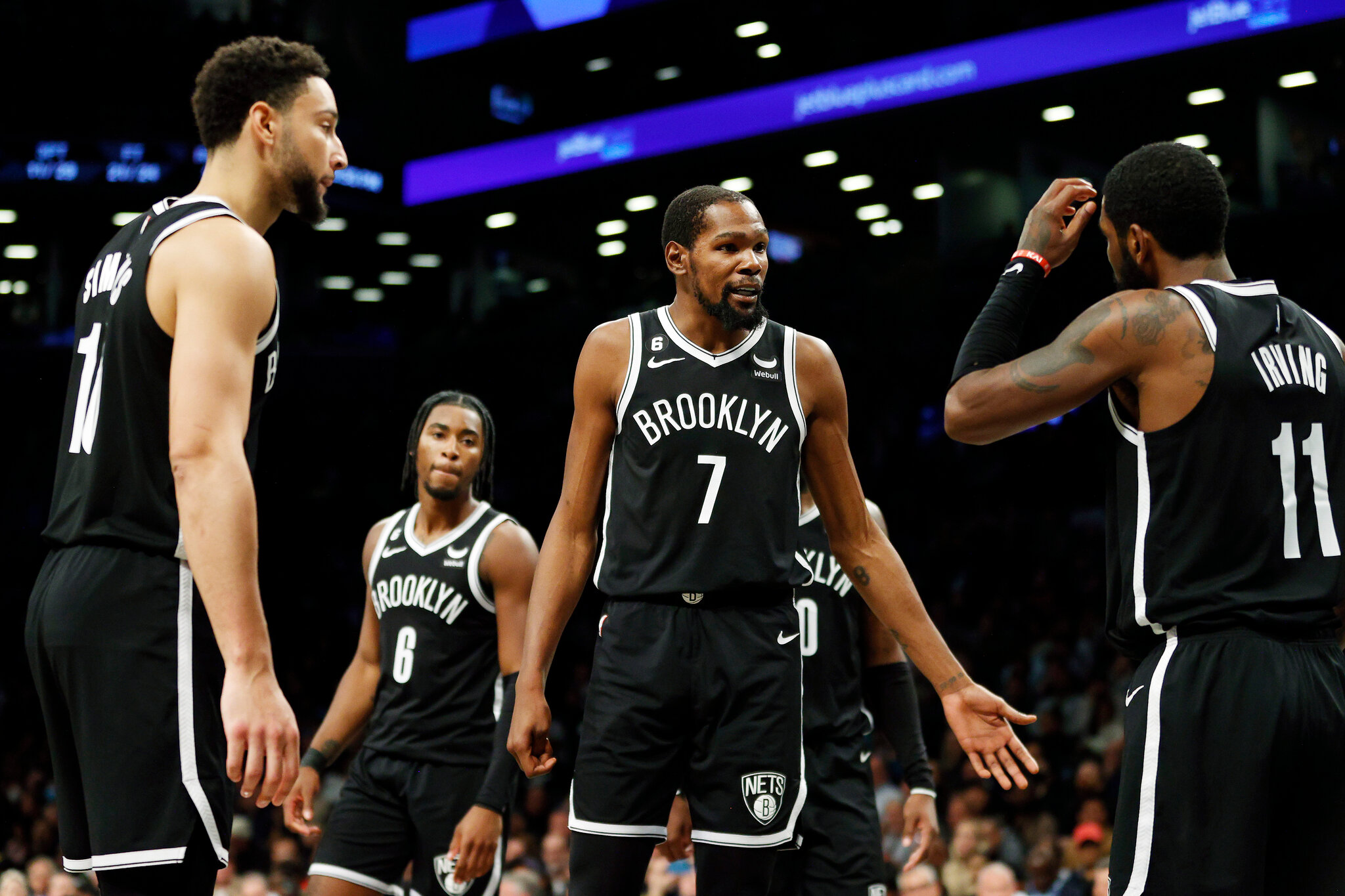
5️⃣ “Brooklyn” (12–29) — a tank that learned how not to look obvious
The “Nets” this year look like people who once won a few too many games — and learned their lesson.
The scheme is simple:
- start bad, so there are no temptations,
- flash some form to raise the price of your assets,
- then carefully drift back down.
What’s happening right now:
- two wins in 12 games,
- workloads are being redistributed,
- young players get a showroom window,
- it’s too early to “surface” — because they own their 2026 pick, and they need it to be high.
This isn’t chaos. It’s a plan.
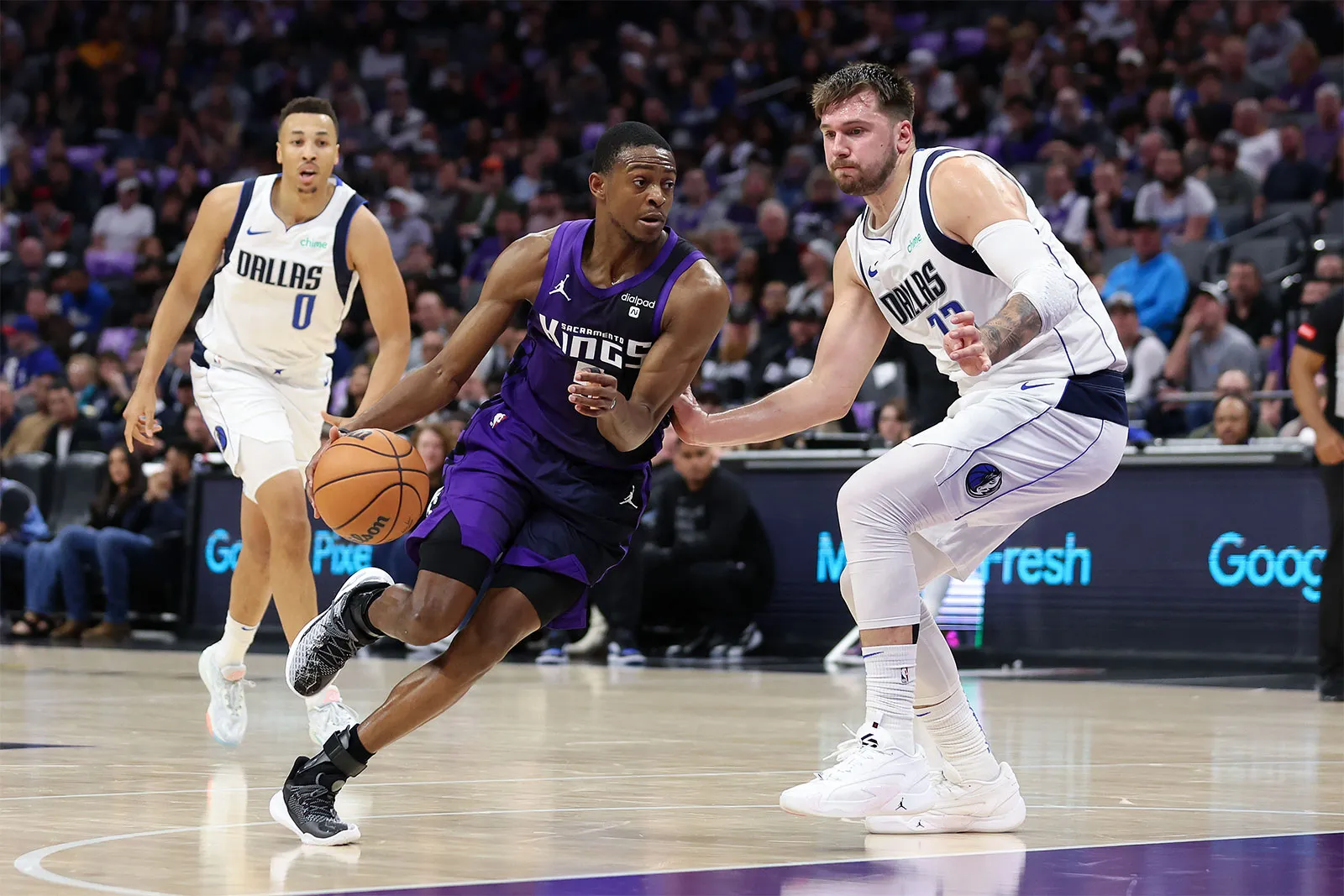
4️⃣ “Sacramento” (12–31) — the hitchhiker team: riding together, but each in their own movie
They even managed to put together a mini win streak. But the big picture is too familiar: three star scorers, little shared logic, and constant fatigue from themselves.
What makes it even stranger:
- the front office was refreshed,
- the coach (Christie) demands discipline and defense,
- and the core is LaVine / DeRozan / Sabonis.
And it really looks like “a puzzle from different boxes.”
The main pain:
the club seems ready to rebuild and trade almost everyone, but the market isn’t eager to pay for their big-contract guys.
So you end up with a state of being: neither here nor there — just pretty fragments in stretches.
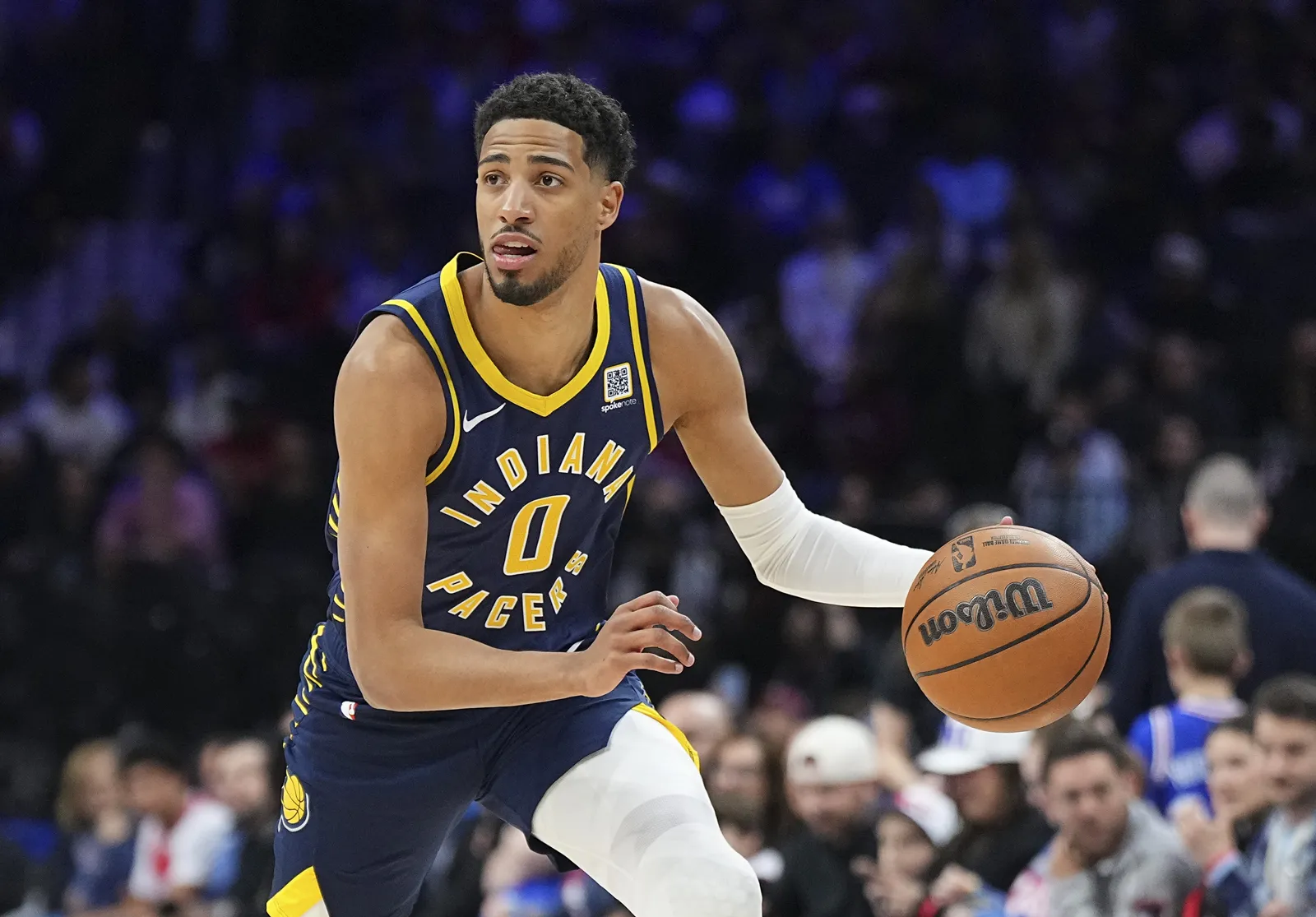
3️⃣ “Indiana” (10–34) — a transitional season in its purest form
A lot is explained by one thing: Haliburton is out. After that, it’s dominoes:
Turner is gone,
Toppin is having surgery,
and 24 different players have already logged 3+ games this season — that’s not a rotation, that’s a registration list.
Why they’re not No. 1–2:
- they still manage to bite for short stretches,
- Siakam doesn’t know how to “just exist,”
- Nembhard and McConnell keep the structure alive whenever it exists at all.
But strategically, everything is clear:
- their own 2026 pick is unprotected,
- so closer to spring it makes sense to slow down, gather information, and get ready for Tyrese’s return.
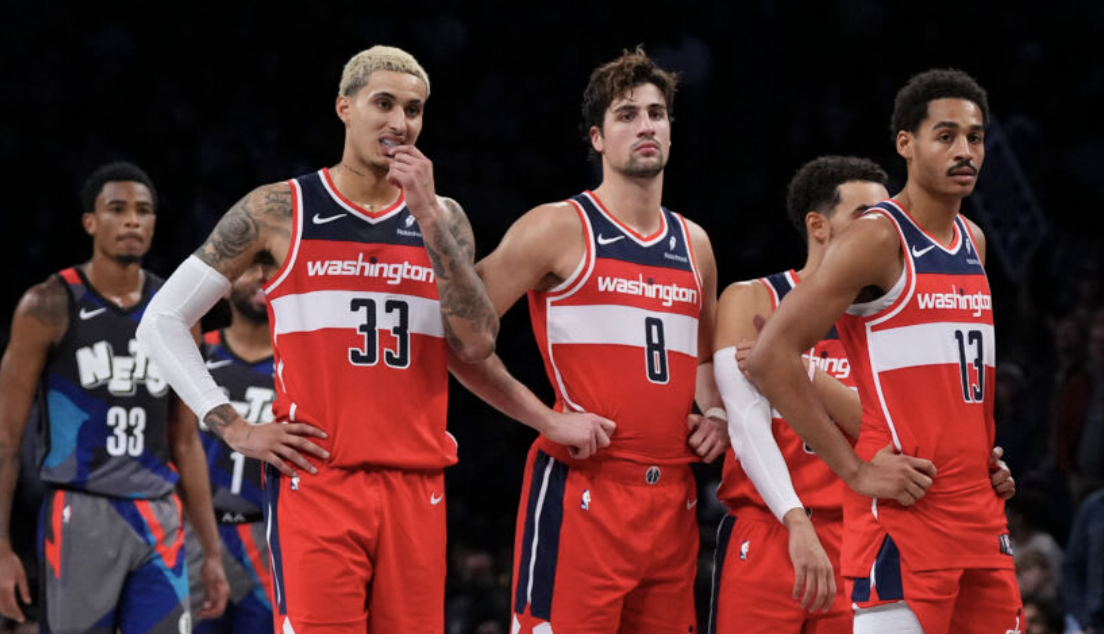
2️⃣ “Washington” (10–32) — a team that got scared of winning
The most honest tank of the season. Five wins in seven games — and the club immediately went: “Stop. Wrong direction.”
Hence the early-January Trae Young trade — not because “it’s better business,” but because winning was becoming dangerous.
The task is ironclad:
- the 2026 pick is top-8 protected,
- to avoid any risk — they need to be among the four worst.
What we see:
- seven straight losses after the trade,
- the minimum of “accidental” bright games,
- the kids get minutes, the veterans get boundaries.
This season isn’t about basketball. This season is about not knocking the trajectory off course.
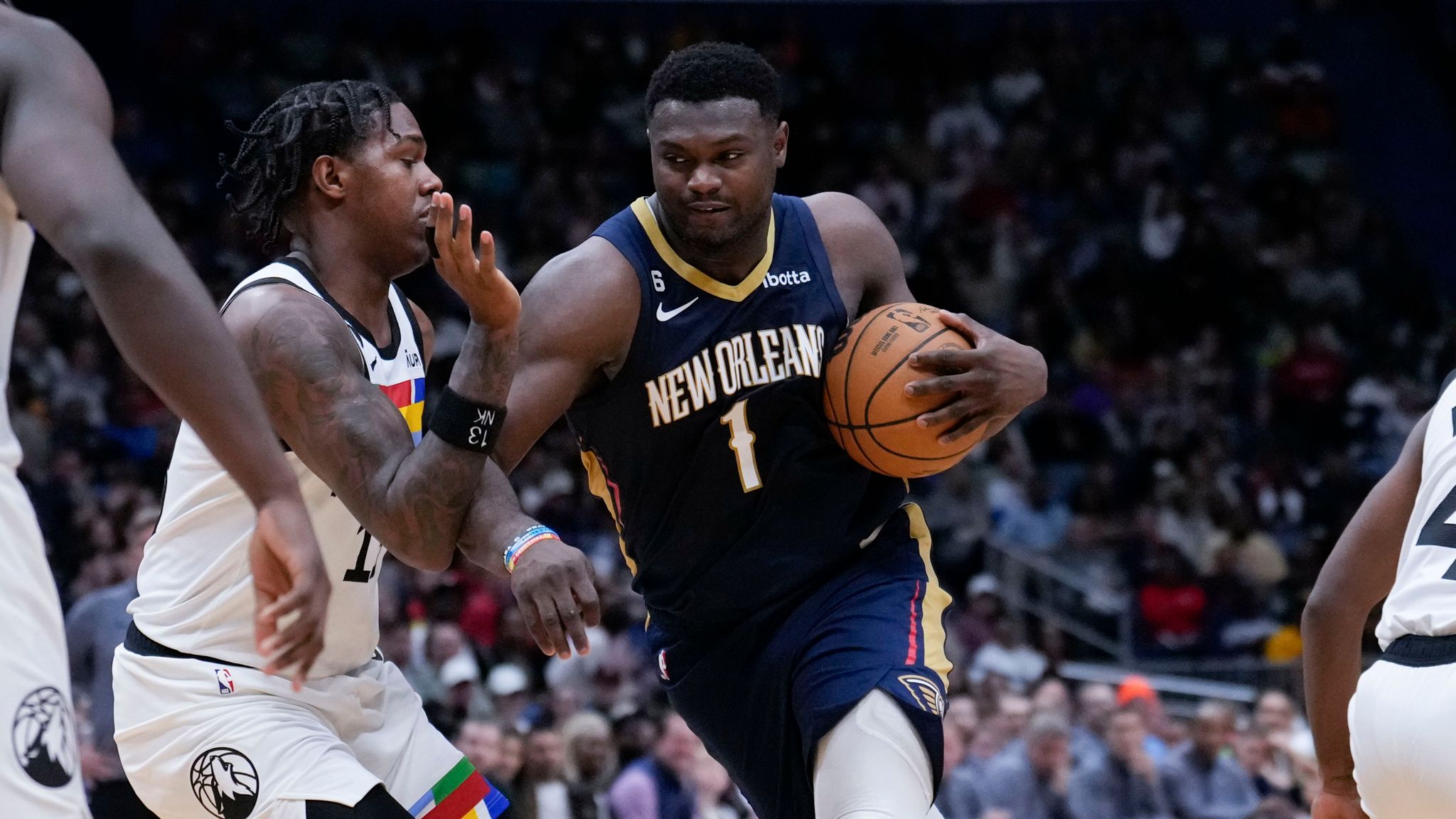
1️⃣ “New Orleans” (10–35) — the most hopeless team in the league
And here’s an important clarification: they might not have the weakest roster.
But in terms of how the future feels — they’re the most trapped.
Why:
- there was a short rise (five straight wins in December), but after that — 13 losses in 15 games;
- only one win over a team with a winning record (December 19, overtime versus “Houston”);
- the most toxic part: they can’t tank properly, because the 2026 pick has already been sent to “Atlanta” for Derrick Queen.
You lose — and someone else gets the benefit. A wonderful mechanism of despair.
Structurally on the court, it’s grim too:
- not many threes, and they don’t make them (low in both volume and accuracy),
- if the opponent doesn’t let them run, it turns into a head-on attack into a packed paint,
- and there are enough defenders and role players — but none of it adds up into a working organism.
And one funny element:
the “Pelicans” try to haggle from the top (three picks for Murphy, two for Herb Jones), but the closer the deadline gets, the more often reality reminds you: the one who gets to bargain is the one who has time.